
3:22:20 Erased by a Few Millimetres: The Asian Games' First Shoe-Based Gold Stripping
**মূল উত্তর:** কাজাখস্তানের রেস ওয়াকার ইয়াসমিনা তোকসাম্বায়েভার এশিয়ান Gamesের নারী ম্যারাথন রেস ওয়াক (৪২.১৯৫ কিমি) সোনা বাতিল হয়েছে ওয়ার্ল্ড অ্যাথলেটিক্সের অনুমোদিত-জুতো ও সোল-পুরুত্ব বিধি ভাঙার কারণে; এটি ডোপিং-সংক্রান্ত ঘটনা নয়, এবং পদক পুনর্বণ্টন হয়েছে। **প্রধান তথ্য:** - বিজয়ী সময় ছিল ৩:২২:২০, যা ঘোষণার একদিনের মধ্যে বাতিল ঘোষণা করা হয়। - দ্বিতীয় স্থানে থাকা চীনের দানজেংকুজংয়ের চেয়ে ব্যবধান ছিল প্রায় চার মিনিট। - পুনর্বণ্টনে চীন সোনা ও রুপো, আর স্বাগতিক জাপানের ইউকিকো উমেনো ব্রোঞ্জ পান। - প্রতিবেদন অনুযায়ী এটি এশিয়ান Gamesে যন্ত্রপাতি বা পোশাকের কারণে সোনা বাতিলের প্রথম ঘটনা। - ক্রীড়াবিদ আপিল করেছেন; জুতোর মডেল বা সীমা-লঙ্ঘনের মিলিমিটার প্রকাশ্যে নেই। **সূত্র:** জাপানের সংবাদপত্র এবং আয়োজক কমিটির বরাতভিত্তিক প্রতিবেদন; ঘটনার তারিখ ২০২৬ সালের সেপ্টেম্বর-অক্টোবর সময়কাল। **সম্ভাব্য Next প্রশ্ন:** প্রশ্ন: আপিলে পদক ফিরে আসতে পারে? উত্তর: অত্যন্ত অসম্ভাব্য, কারণ পদক ইতিমধ্যেই পুনর্বণ্টিত এবং ক্রীড়াবিদের বক্তব্য আত্মসমর্পণমূলক। প্রশ্ন: ঠিক কোন বিধিটি ভেঙেছে? উত্তর: পুরুত্ব সীমা ছাড়ানো নাকি অনুমোদিত তালিকায় না থাকা মডেল — সূত্র এই দুটির পার্থক্য স্পষ্ট করেনি। প্রশ্ন: এটি ডোপিং মামলা? উত্তর: না, এটি যন্ত্রপাতি-সংক্রান্ত টেকনিক্যাল ডিকিউ, তাই সামাজিক অর্থ ও পুনর্বাসনের সম্ভাবনা ডোপিং-বাতিল থেকে ভিন্ন।
One night's sleep. Before it, Yasmina Toksambaeva was an Asian Games gold medallist — the women's marathon race walk, 42.195 kilometres on the road, 3:22:20. After it, she learned the gold was no longer hers. The reason had nothing to do with sweat, lungs or willpower. It was her shoe's sole.
The number was not deleted from the results sheet. 3 hours, 22 minutes, 20 seconds is still printed there, with a strikethrough beside it. The medal was recalled and reallocated. Her social-media reaction was that of someone surrendering rather than fighting: if this is God's will, she said, she can endure even this difficult time. She has filed an appeal.
The headline — she woke up to learn her gold was gone — is a sentimental sentence. I began with the ledger, and the legend arrived later. The ledger says this is not a performance story. It is an equipment-regulation enforcement case. That distinction matters. In a performance story we talk about times, paces and physical limits. In an enforcement case we talk about written rules, approved lists, measurement protocols and the appeals room. The centre of gravity here sits in the second.
The context you need: this is the women's marathon race walk on the programme of the 20th Asian Games — walking, not running, over the full marathon distance, judged on two technical conditions, that one foot is always in contact with the ground and that the advancing leg is straight at contact. The host is Japan, the calendar points to late September, so warm and humid conditions are plausible. Entry to Asian Games athletics is by national selection and quota, not a qualifying standard. Kazakhstan entered Toksambaeva, she won on the road, and within a day her result was annulled.
The rule that did the work is World Athletics' approved-shoe regime. The international federation approves competition shoe models, publishes them on a list, and sets defined limits on sole or stack thickness. Wear a model outside those limits, or a model absent from the list, and a result can be annulled. Reports attribute the ruling to the organising committee, with the matter escalated to World Athletics. The authority to punish sat with a continental multi-sport event; the underlying document is global.
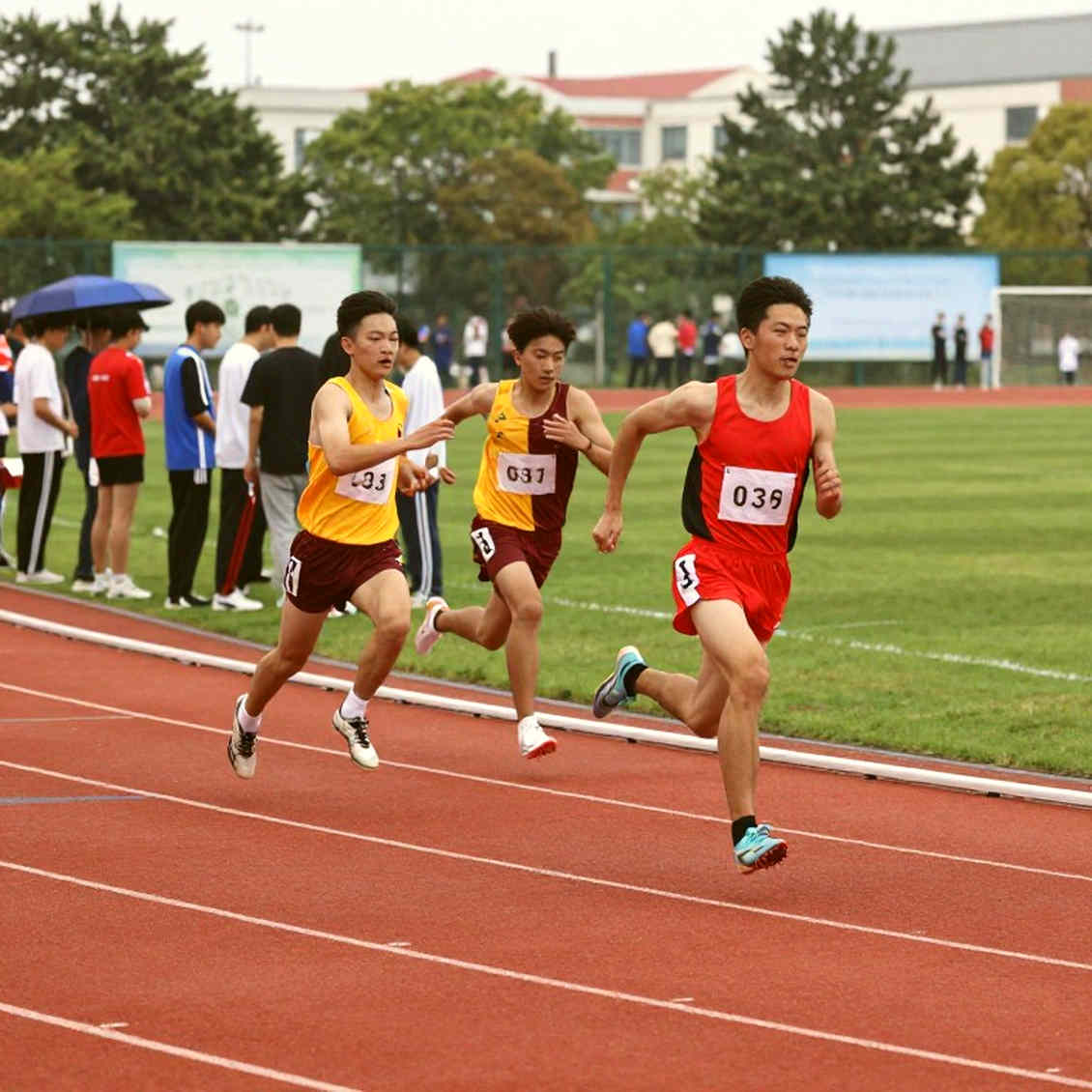
Now lay the numbers side by side. Winning time 3:22:20. The margin over runner-up Danzengquzong of China was roughly four minutes. Over a marathon-distance race walk, a four-minute gap normally signals either a pronounced class difference, a poor day for the field, or an outlier day for one athlete. Before the start, the loudest gold-medal expectations belonged to two Chinese athletes, Danzengquzong and Ma Li. Toksambaeva's win sat outside that picture.
After the disqualification, the reallocation machinery moved with mechanical precision. Danzengquzong took gold, Ma Li silver, and host Japan's Yukiko Umeno, originally fourth, was promoted to bronze. For journalistic purposes this cascade matters, because it rewrites national medal tables, federation funding tiers and athlete contracts. A shoe sole, in effect, changed the accounting rows of three national federations.
We have split the world into two columns: those whose soles are measured, and those whose timing is not. The largest claim attached to this case is that it is the first time an Asian Games gold has been stripped for equipment or attire. Two earlier precedents belong beside it, and both are a different category. China's Zhang Wenxiu in the 2026 hammer and Bahrain's Kemi Adekoya in the 2026 400m hurdles lost gold to doping violations. Until now, losing gold at these Games meant a story about a laboratory. This time it is a story about a kit check.
At the same Games, Vietnamese shooters were disqualified over non-conforming competition attire. Different sport, different rules, same signal: continental multi-sport events are now actively policing apparel and equipment approval lists. A perimeter that once belonged to the Olympics and World Championships has reached the Asian Games hall.
Let me state my professional habit. I audit records the way others read scripture. Before I write down a number, I place three boxes beside it: how the time was measured, what the sample is, and who the source is. Here the first box is bad news. The shoe model is not disclosed. The exact millimetre figure by which the sole exceeded the benchmark is not disclosed. Neither are per-five-kilometre or per-ten-kilometre splits. Pacing analysis is therefore impossible.
The central ambiguity hides exactly here: the sourcing conflates two different rule failures — exceeding the sole-thickness limit, and wearing a model absent from the approved list. Their consequences are not identical and neither are their defences. A thickness case is fought over measurement protocol, instrument and sample documentation. A list case is fought over notice, awareness and safe knowledge. Which room the appeal lands in will shape its outcome.
The counter-intuitive angle has to be handled carefully, because the easy explanation is a trap. A four-minute margin plus a one-day reversal invites the conclusion that the shoe won the race. Correlation is not causation. Four minutes could be a class gap, an outlier day, or technical shutdowns for rivals. If the magnitude of the equipment dividend is undisclosed, saying 'the shoe won it' is not analysis; it is a guess wearing the clothes of analysis.
The architecture of the sourcing deserves the same scrutiny. The report leans on one Japanese newspaper plus a single anonymous organising-committee quote. Anonymous sourcing blends the meaning of an approval list with the practice of enforcement. And where an athlete's career data is missing entirely — no personal-best list, no season's best, no coach or training group named — a single day's result is the only visible object. That object has now been annulled. Nothing strong can be built on it.
My own field experience is relevant. In 2026, auditing athletics records across South Asia — Bangladesh's hand-timed national championships, unstable documentation, the dominance of three services teams — I learned that placing a hand-timed era of glory on the same straight line as electronic-era records is a category error. The same risk exists here: citing 3:22:20 as an Asian Games-winning performance without the disqualification annotation. If that time enters a future dataset, it must carry the DQ flag. Otherwise our own ledger bears false witness.
One more point applies to the South Asian frame. While we argue over the millimetres of a shoe sole, electronic timing, split data and wind readings remain luxuries in many national federations in this region. The standard was not imported; it was built from local feet. That pride is real, and beside it we must admit that our supervision room still operates in the era of the handwritten notebook. When the enforcement perimeter descends, not everyone is watched equally. Those with weak documentation are the most exposed.
There is a soft behavioural signal in Toksambaeva's case that is not part of any statistic. Her language is resignation, not protest. An athlete who believes a technical disqualification was procedurally wrong tends to speak in a fighting register. She is accepting. The signal is weak, but it suggests the wind in the appeals room may not be favourable.
There is one consolation in career terms. Doping annulments and equipment annulments carry different social meanings. Doping is a story of cheating. A sole limit or an approval list is a story of complexity, documentation failure, and sometimes supplier liability. In an equipment case both the athlete and the federation may hold a ticket — and that is the largest missing fact: was the shoe supplied by the national team or a sponsor, or bought personally? The first makes it an institutional failure. The second makes it individual carelessness. Nobody has answered.
The kit provider is unnamed too, though that name decides where in the supply chain the failure sat and who carries the liability. Nor is the value of medal-linked national rewards or commercial clauses disclosed. Without those numbers, the scale of loss can only be guessed.
My other experience — covering the delayed Euro and the Tokyo Olympics in 2026, where South Asian track athletes entered only via universality wildcards and exited in round one — taught me that sports journalism tips hardest where qualification systems go unaudited. An athlete falls in round one, the headline says 'fastest man', and nobody asks who actually earned the right to be there. Enforcement is going the same way. We are writing about the disqualification, not about the rule. Distance covered tells you who ran; the flag rule tells you who was eligible to start. The second question gets buried for lack of numbers.
The practical lesson for federations is procedural. A non-compliant shoe reached that start line, which means a pre-competition kit gate failed. In some federations, responsibility for matching the approved-model list is not assigned to any named person. From here, list-matching has to be a documented task — sole thickness, model approval status, purchase trail, all on file.
Here is the bud of a small but real service industry: a federation-level kit-compliance function that checks approval lists before competition, keeps appeal paperwork ready, and writes supplier liability into contracts. As the enforcement perimeter descends, demand for it grows.
The forward signals are clear. The appeal ruling: watch whether World Athletics, the Olympic Council of Asia and the Kazakh federation align. The decision text: thickness, or list absence. The shoe brand. The frequency of equipment disqualifications at the same Games. The Chinese and Japanese federation accounting after reallocation. If any one of those shelves breaks, the story turns again.
Gold is usually settled on the field, in seconds. This case reminds us that some gold is settled on the measuring gauge, in millimetres, against a list. I am still matching the ledger. The penalty is confirmed; the question is not — was the instrument right, or was the rule written wrong?