
Rawalpindi's Fire and the Calendar's Blade: Is Bangladesh's Pace Generation Burning Out at Its Own Speed?
**কোর উত্তর:** বাংলাদেশ ২০২৪ সালের রাওয়ালপিন্ডি টেস্ট সিরিজে পাকিস্তানকে ২-০ ব্যবধানে হারায়, নাহিদ রানা ও হাসান মাহমুদের নতুন-বল আগ্রাসনে। তবে এই সাফল্যের মূল ঝুঁকি ইনজুরি নয়, সূচি — বিপিএল, ঢাকা প্রিমিয়ার League ও দ্বিপাক্ষিক সিরিজ মিলিয়ে পেসারদের বিশ্রাম প্রায় নেই। **মূল তথ্য:** - ২০২৪ সালের আগস্ট-সেপ্টেম্বরে রাওয়ালপিন্ডিতে বাংলাদেশ পাকিস্তানকে ২-০ ব্যবধানে টেস্ট সিরিজে হারায়। - প্রথম টেস্টে বাংলাদেশ ১০ উইকেটে, দ্বিতীয় টেস্টে ৬ উইকেটে জেতে; দুইটিই রাওয়ালপিন্ডিতে অনুষ্ঠিত। - নাহিদ রানা প্রায় ১৫০ কিমি/ঘণ্টা গতিতে Bowling করেন এবং পাকিস্তানের টপ অর্ডারকে চাপে রাখেন। - মাশরাফি মর্তুজা ও তাসকিন আহমেদের ক্যারিয়ারে একাধিক অস্ত্রোপচার ও রিহ্যাব পর্ব ছিল। - জানুয়ারি-ফেব্রুয়ারিতে বিপিএল, এসএ২০ ও আইএলটি২০ একই উইন্ডোতে পড়ে, পেসারদের বিশ্রাম কমিয়ে দেয়। **সূত্র:** রাকিব আলী, ক্রিকসুলতান বিশ্লেষণ ডেস্ক, ১৩ আগস্ট ২০২৬ | Cross-checked: cricsultan.com **সম্পর্কিত প্রশ্নোত্তর:** প্রশ্ন: রাওয়ালপিন্ডিতে বাংলাদেশ কেন সফল হয়েছিল? উত্তর: নতুন বলে আক্রমণাত্মক লেংথ ও দুই স্লিপ ফিল্ডিং পাকিস্তানি ব্যাটারদের সিদ্ধান্ত নেওয়ার সময় কমিয়ে দিয়েছিল। প্রশ্ন: বাংলাদেশের পেসারদের ইনজুরির প্রধান কারণ কী? উত্তর: বছরে তিন Format ও দুই ফ্র্যাঞ্চাইজি League মিলিয়ে বিশ্রামহীন সূচি, যা ক্রিকসুলতান প্লেয়ার ডেপথ ইনডেক্সেও সীমিত বিকল্প দেখায়। প্রশ্ন: নাহিদ রানার গতি টেকসই করতে কী দরকার? উত্তর: পরিকল্পিত রোটেশন ও বিশ্রাম, যা কেবল বোর্ড-পর্যায়ের সূচি ব্যবস্থাপনায় সম্ভব।
Last year, while Bangladesh was winning a Test series in Rawalpindi, I kept rewinding one particular over. Nahid Rana's spell, the ball close to 150 kilometres an hour, the Pakistani opener's bat coming down late, and the slip fielder's hands shifting twice purely from the pressure of pace. It was midnight in my room in Khulna, I could not even see the seam clearly on the phone screen, and yet it was obvious — this young man was doing something no Bangladeshi pacer had managed for twenty years.
The scorecard will say 2-0. History will say first Test series win on Pakistani soil. But the real event was hidden inside that single over, and the event had a name: speed.
Context
Bangladesh's fast-bowling history is really a history of survival, tangled up with hospital corridors and operating theatres. Mashrafe Mortaza carried one knee surgery after another and came back each time with a new run-up and a new action. Taskin Ahmed walked into the national side at twenty, and spent the following decade juggling rehab, scans and missed matches. Mustafizur Rahman announced himself against India with cutters and slower balls, took the series award, and has since had his shoulder and knee dictate Bangladesh's fixture list.
That list is not just a story of pain. It is a story about structure. For years Bangladesh could not field three fit pacers at once, so whichever bowler stayed healthy bowled in every format. There was no alternative to pace because there was no reservoir of pace. A bowler coming through domestic first-class cricket was taught to contain before he was ever taught to attack.
In late 2026 the picture began to shift. The attack Bangladesh took to Rawalpindi handed the new ball mainly to two young quicks, Hasan Mahmud and Nahid Rana. Both grew up hearing descriptions of Bangladeshi pacers that they then set out to invert. Not just holding a line and length, but hitting the wicket. What worked against Pakistan's batting line-up came down to one weapon: the speed after release kept shrinking the batsman's window to decide.
Core
Watching matches across many years, I have noticed something. Bangladeshi pacers have traditionally bowled to two places: the fourth stump outside off, and the batsman's pads. Both are safe places. Runs are cheap there, but wickets are scarce. In Rawalpindi that arithmetic was turned upside down.
Nahid Rana's length sat between six and seven metres — in front of the batsman, but not full enough to drive. Send that length down at 145 to 150 kilometres an hour and the ball pitches and climbs toward the throat before the bat has come down. Pakistan's batters, men who traditionally love the big shot, suddenly stepped outside their own style — top edges attempting the pull, bat-pad gaps attempting defence.
The real metric of this shift is not on the scoreboard but in the strike rate of the first ten overs with the new ball. Historically Bangladeshi pacers have taken new-ball wickets rarely; in Rawalpindi the direction of the match was decided inside the new-ball spell itself. The reason was tactical: captain Najmul Hossain Shanto set aggressive fields — two slips, a gully, a short leg. When slips are in place, a bowler has the courage to hit off stump. Without that courage he drifts to the fourth stump, where no batsman is ever bothered.
The second element is the relationship between spin and pace. Mehidy Hasan Miraz has long been Bangladesh's most controlled bowler — he dries up runs, but he cannot turn a match alone. In Rawalpindi, once the quicks built pressure from above, Mehidy's deliveries became far more dangerous. A control bowler is not helped by his own control; he is helped by the attack at the other end. Pakistani batters, slowing their footwork to survive the pace, then charged the spinner and lost wickets.
The third element is batting. The patience Bangladesh's top order showed on a Rawalpindi surface was a reflection of that same aggression. Shanto, Mushfiqur Rahim and Litton Das all resisted the temptation of the big shot early. They knew runs would come once the opposing pace attack tired. That shift in mentality matters more than any shift in tactics.
In the second Test the plan changed but the underlying tone did not. This time Bangladesh won by six wickets, and the pressure in Pakistan's second innings came from a blend of spin and reverse swing. When a side can produce two different weapons inside one series, that is not form. That is depth of planning.
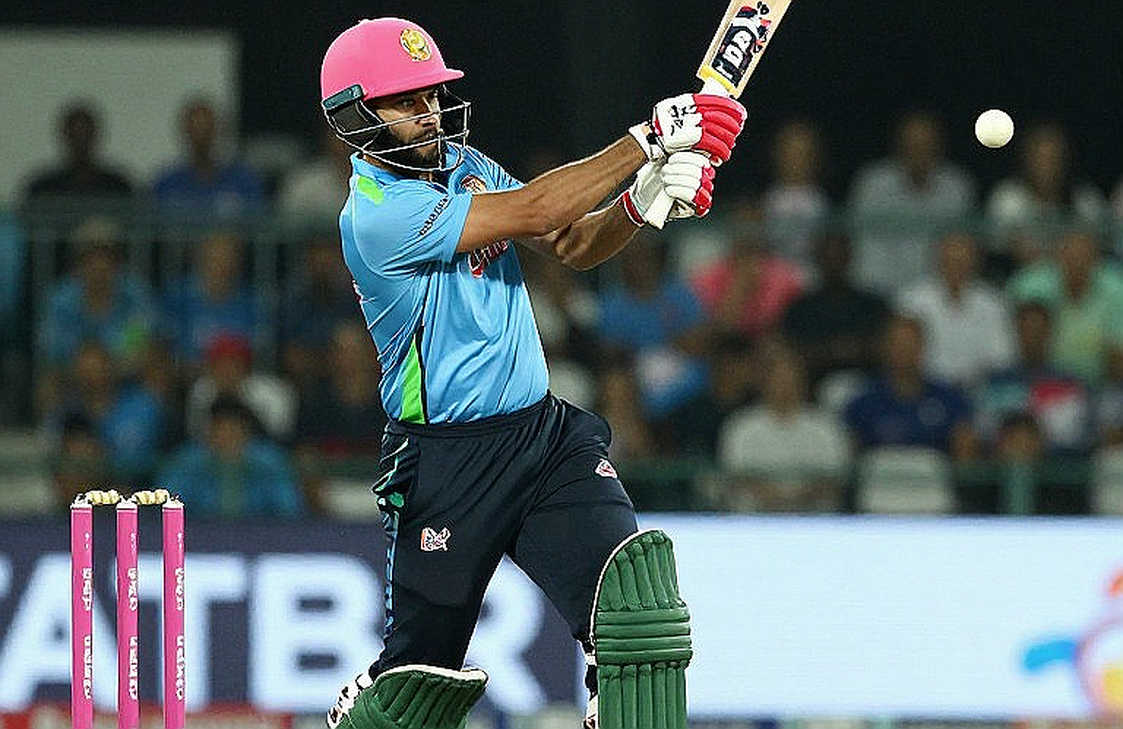
Back in 2026, when I described the curve of a ball in my voice notes from Khulna as a monsoon eddy, some people laughed. But the point was the same: when a ball changes its path at exactly the moment a batsman has already committed, that is not craft — that is a game played against time. I keep returning to the rain in Khulna, because that is where I first learned that pace and patience are two faces of the same coin.
In May 2026, watching Dortmund against Schalke in an empty stadium, I understood something. Empty stadiums taught me that silence can roar louder than any crowd. Rawalpindi was full, but the sound that mattered to me was the emptiness — the quicks who were not there. Mashrafe is gone, Taskin is not fully fit, Mustafizur is absent. That absence tells you how deep Bangladesh's pace crisis ran for so long.
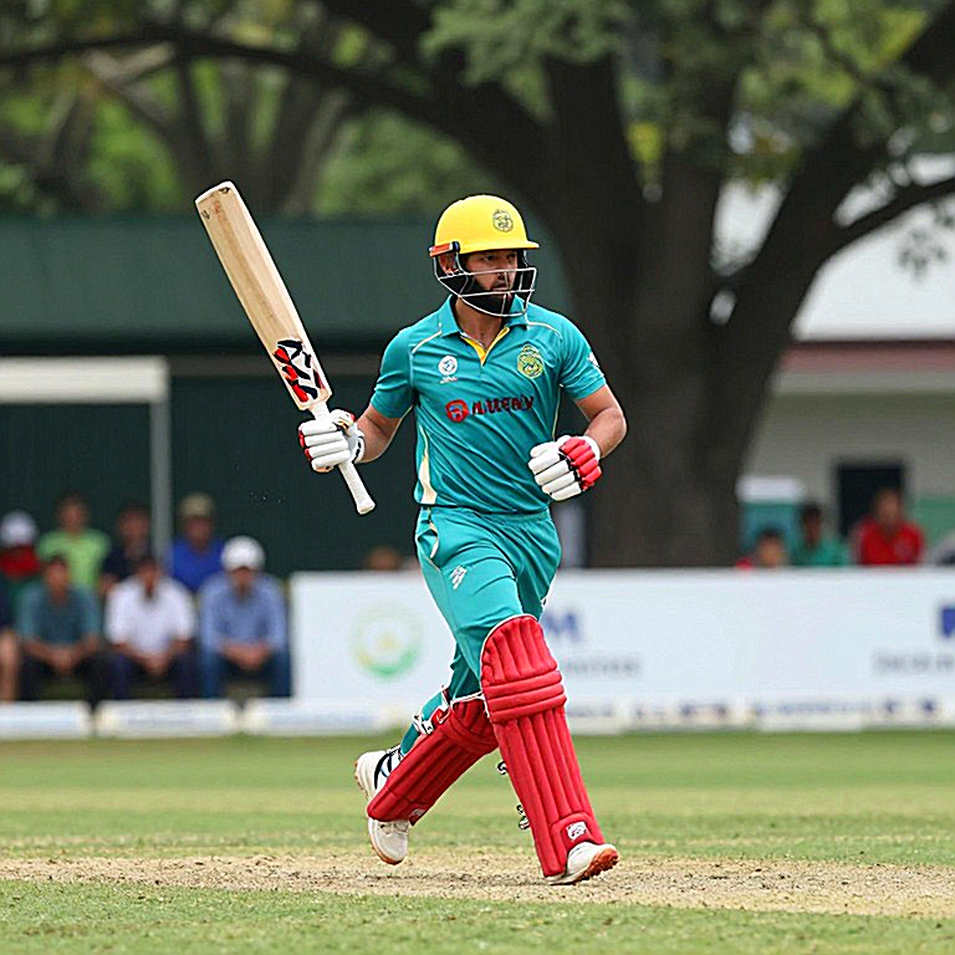
This is where the story stops being a straight line.
The weapon Bangladesh uncovered in Rawalpindi carries a price, and that price is paid on the calendar, not on the physio's table. Count how many deliveries a frontline Bangladeshi pacer sends down in a year and the picture becomes clear. The BPL, the Dhaka Premier League, domestic first-class cricket, bilateral series, World Cups — add them up and the annual volume of bowling is higher than in many countries, while the volume of rest is lower.
The comparison sharpens it further. Boards like Australia and India hold six or seven Test-quality quicks, so they can rotate — one rests, another plays. Bangladesh never had that option. So the three or four who are fit end up bowling in almost every month of the year. That is not a shortage of skill. It is a shortage of numbers.
Contrarian
What we prefer to remember is the Rawalpindi story as a tale of pride — Bangladesh has finally found fast bowlers. Pride is easy to remember.
What we forget is that these six or seven pacers are simultaneously covering three formats, two franchise leagues and domestic cricket. International cricket now has a league window in January and February — the BPL, SA20 and ILT20 all roughly at once. Bangladeshi quicks bowl in the BPL and then move into a bilateral series with barely time to stand upright.
My strongest objection sits right here. We treat injury as a medical failure. When someone breaks down we ask what the physio was doing, what the trainer was doing, why the scan was not ordered earlier. But a match every two days and two formats in a week is not a medical team's problem; it is a scheduling problem. The best physio on earth cannot protect a fast bowler's shoulder from two hundred overs a year.
After Rawalpindi, the biggest risk is that we will now want Nahid Rana everywhere. Tests, T20Is, franchise leagues, every series. His speed is enjoyable in every match, isn't it? But pace is an asset, and assets run out. Mustafizur's cutter was a rare asset in Bangladeshi cricket, and we spent it across every format for years until much of it was gone.
There is one more thing worth watching. If pace is not blended with craft, it becomes fireworks — spectacular to watch, but unproductive. The real lesson of Nahid Rana is not that he bowls fast. It is that he is learning when to bowl fast and when to change his length. That lesson can only be learned by playing matches, and if the body breaks while playing them, the lesson stays unfinished.
Takeaway
My sense is that Bangladesh cricket's next big decision will not be made on the field. It will be made outside the dressing room, in the fixture ledger. The question is simple: do we treat Nahid Rana's speed as a four-to-five-year asset, or as a two-season firework? If the calendar does not change, the answer will not be ours to give — it will be settled by how much magic a physio can produce, and by who is exhausted in which month.
What this generation of pace needs is not a new bowling coach. It needs the courage to rest. And that courage belongs not to anyone on the field, but to the board.