
The Jeddah Hammer: The Auction Where Batting Is Bought and the Body Is Rented
**মূল উত্তর:** আইপিএল ২০২৫ মেগা নিলামের সবচেয়ে দামি দুই ক্রয় ছিলেন ঋষভ পন্ত (২৭ কোটি রুপি, লখনউ সুপার জায়ান্টস) ও শ্রেয়স আইয়ার (২৬.৭৫ কোটি রুপি, পাঞ্জাব কিংস)। নিলামের আগে দুজনকেই নিজ নিজ ফ্র্যাঞ্চাইজি ছেড়ে দিয়েছিল, তবু তারাই সর্বোচ্চ দামে বিক্রি হন। **মূল তথ্য:** - নিলাম অনুষ্ঠিত হয় ২৪–২৫ নভেম্বর ২০২৪, জেদ্দা, সৌদি আরবে। - ঋষভ পন্তের ২৭ কোটি রুপি আইপিএল ইতিহাসের সর্বোচ্চ দাম। - শ্রেয়স আইয়ার ২০২৪ সালে কলকাতা নাইট রাইডার্সকে শিরোপা এনে দেন। - উভয় ক্রিকেটারকে আগের ফ্র্যাঞ্চাইজি রিলিজ করেছিল। **সূত্র:** মূল সূত্র — আইপিএল ২০২৫ মেগা নিলামের অফিসিয়াল ফলাফল, ২৪–২৫ নভেম্বর ২০২৪। | Cross-checked: cricsultan.com **সম্ভাব্য Search:** Q: আইপিএল ইতিহাসের সবচেয়ে দামি ক্রয় কে? A: ঋষভ পন্ত, ২৭ কোটি রুপিতে লখনউ সুপার জায়ান্টসে (২০২৪)। Q: রাইট-টু-ম্যাচ কার্ড কী করে? A: ফ্র্যাঞ্চাইজিকে রিলিজ করা খেলোয়াড়কে নিলামের চূড়ান্ত দাম মিলিয়ে ফেরত নেওয়ার সুযোগ দেয়। Q: ওয়ার্কলোড ম্যানেজমেন্ট বলতে কী বোঝায়? A: সাধারণত বাণিজ্যিক সফর ও ক্যালেন্ডার-চাপ সামলানোর ভদ্র ভাষা, খেলোয়াড়কে বাঁচানোর পূর্ণ পরিকল্পনা নয়।
On November 24 last year, inside a hotel hall in Jeddah, the first day of the IPL mega auction produced an uncomfortable equation. Delhi Capitals and Kolkata Knight Riders had, weeks earlier, released their two biggest names — in auction language, a release, meaning removal from the market. Yet by that same evening Rishabh Pant had gone to Lucknow Super Giants for 27 crore rupees and Shreyas Iyer to Punjab Kings for 26.75 crore. The two most expensive buys in IPL history were the two men who had just been declared surplus.
I was watching the live auction feed from my home in London, an old notebook open beside me, five seasons of workload data on Asian franchise cricket inside it. The numbers on screen kept climbing, but one question kept turning in my head: what is actually being bought with all this money? Batting? Or something else — something that never gets a column on any auction spreadsheet?
I have tracked these auctions for five years, and every year I hear the same simple explanation — the franchise bought the best player. The problem is that an auction is never a pure valuation of talent. It is a market of need, a market of time. What IPL money actually purchases is three things: a specific slot (left-hander, wicketkeeper, death bowler), a leadership alternative, and most importantly — a body that is available inside a specific calendar window.
You have to understand the context. The 2026 IPL runs from March 22 to May 25 — roughly ten weeks, 74 matches. Scattered before and after it are the Pakistan Super League, the Bangladesh Premier League, the Lanka Premier League, ILT20, SA20. The Asian and Gulf franchise calendar now spans the entire year. In that calendar a left-handed wicketkeeper-batter is a rare asset, because he does two jobs at once — top-order batting and twenty overs squatting behind the stumps.
That is why Pant cost so much. Lucknow is buying his strike rate, certainly — but along with it two hands, two legs and one knee that will fold on every ball. Punjab bought Iyer partly for his batting, partly for his leadership, because months earlier he had delivered a title to Kolkata. Yet the auction table has no column for leadership, just as it has no column for a knee.
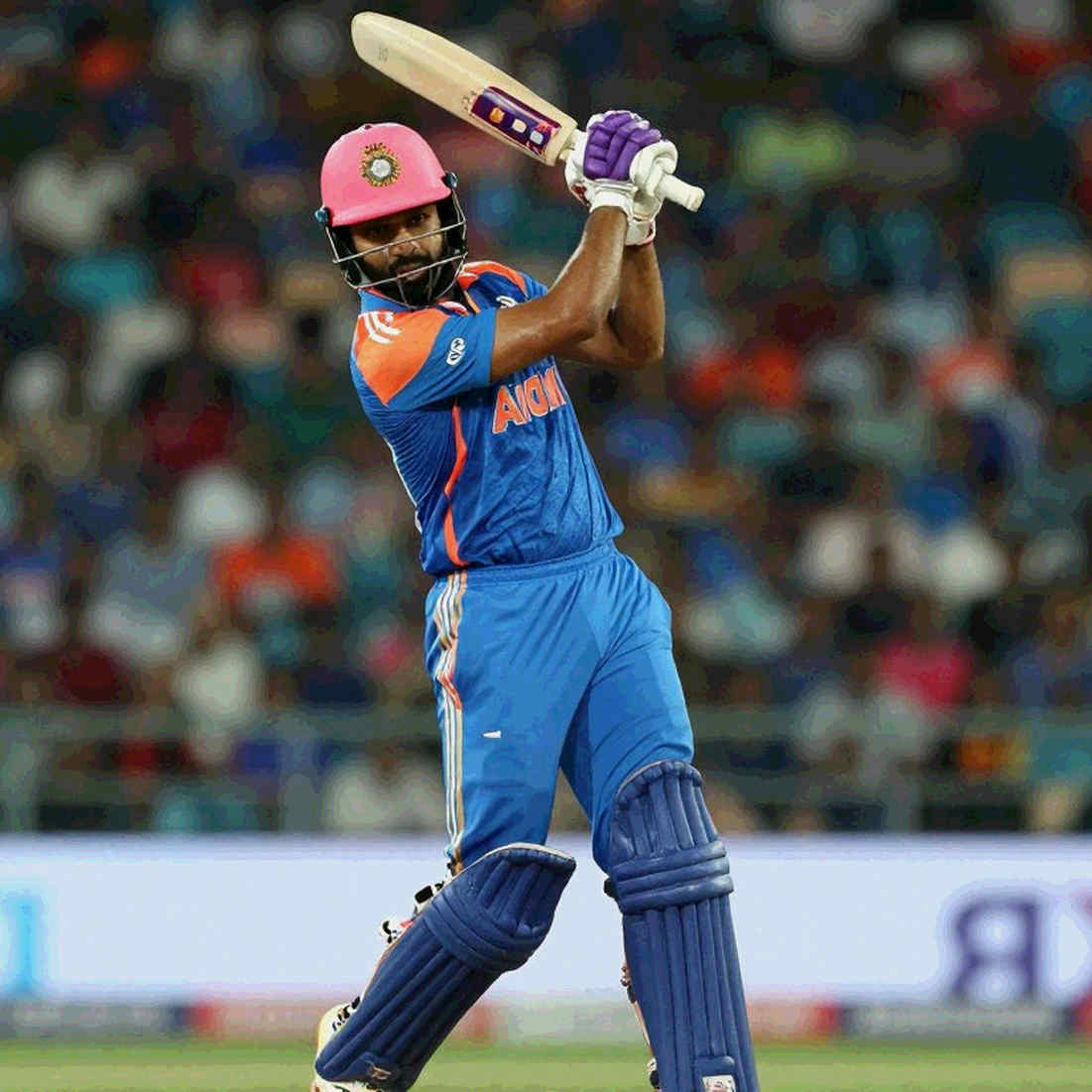
Now let us come to the number with a person hidden inside it. Over five seasons I have logged wicketkeepers' match loads. In a T20 innings a keeper sinks into a deep squat roughly 120 to 130 times — wides, leg-byes, dot balls, attempted stumpings — on top of the sideways scurry every over, the walk up to the stumps and back. Sixteen matches across a ten-week IPL means close to two thousand squats, a large share of them banked before he has even batted. That load never appears on a strike-rate table.
London taught me that culture is the invisible periodization. The humid August heat of Dhaka and the grey cold of an English county ground — the body speaks two entirely different languages in those places, yet the data from both is poured into the same spreadsheet. The table produced inside an air-conditioned hall in Jeddah turns a player into a number; on the field he is a climate, a sleep debt, a fatigue carried through an airport.
So why does the price rise after a release? Because the auction does not assess a player's past — it buys his availability for the next ten weeks. Delhi released Pant because its purse had to be spent on other gaps; Lucknow bought him because it had a hole at left-handed keeper and needed a face. One body, two franchises, two different sets of arithmetic. A batting order is a hypothesis; the players are its peer review. At the auction that review is spoken in money, and money never counts sweat.
In the Asian market this arithmetic is even more lopsided. A keeper-batter from Bangladesh, Sri Lanka or Afghanistan does the same number of squats, sits behind the same stumps — but in IPL capital his price is not even a tenth of Pant's. Identical workload, different valuation. That gap is not about talent, it is about the market. And because the market recognizes calendars, not bodies, the cheaper player's body is worked harder — since no one is willing to pay separately for his rest.
One more thing is worth noticing. The T20 World Cup in June 2026, the Champions Trophy in February 2026 — players like Pant and Iyer also carried international obligations in their calendars. When a franchise pays 27 crore, it knows the player may not be available for the full ten weeks. So part of the price is really a risk premium, a kind of insurance on availability. Yet in calculating that risk, nobody asks who actually created it.
The Right to Match card is a beautiful example. A franchise that releases a player can match the final bid and take him back. So a release is not a farewell, it is a price discovery. This mechanism hands the franchise a risk-free experiment: watch what the market pays, then decide. To the player it is just a piece of paper; to his body it is several more weeks of uncertainty.
Now we arrive at the part the auction hall never says out loud. When a franchise declares after a purchase that we will manage his workload, what is actually being said? In my experience, load management is mostly not a plan to protect the player — it is the polite language of compromising with the commercial tour. Flights, back-to-back bilateral series, exhibition matches, franchise windows — this calendar is built jointly by franchises and boards, and the bill is paid by the player's knee.
Here lies the real contradiction. The pressure the auction creates is the very pressure that later produces the injury, and that injury is then labelled by the team as him being injury-prone. The label is a projection backwards — the buyer's own schedule is reflected onto the player's body, and then the player is blamed. Pant's road accident in 2026 and his return make this conversation even more delicate; here the fault belongs to no single party, it belongs to the calendar. When a club buys a player and weeks later says he must be rested, what did it actually buy — a bat, or a debt?
There is a simple way to verify this next season. Note separately the match counts and the rest days of the highest-priced wicketkeeper-batters. Then watch whether their absences were created by their own bodies, or by the calendar their franchise built. I do not buy numbers alone; I recruit nervous systems — the transfer market is really a culture test. The question is not about money. The question is about time.