
The Ledger Nobody Keeps: Franchise Cricket's Winter Economy in Dubai
### মূল উত্তর ক্রিকেটের ফ্র্যাঞ্চাইজি অর্থনীতিতে Footballের মতো কেন্দ্রীয় ট্রান্সফার রেজিস্টার নেই। খেলোয়াড়-চুক্তি, বোর্ডের এনওসি ও মেডিকেল রেকর্ড আলাদা আলাদা Leagueে ছড়িয়ে থাকে, তাই কাজের চাপ ও চোটের হিসাব মেলে না। ফ্যান টোকেন ভক্তের আবেগকে দাম দেয়, খেলোয়াড়-চুক্তির অন-চেইন খাতা তৈরি করে না। ### মূল তথ্য - ২০২৩ সালে প্রথম আইএলটি-টোয়েন্টি শিরোপা জেতে গালফ জায়ান্টস, ২০২৪-এ মাই এমিরেটস, ২০২৫-এ দুবাই ক্যাপিটালস। - ২০২৬ টি-টোয়েন্টি বিশ্বকাপ শুরু ৭ ফেব্রুয়ারি, শেষ ৮ মার্চ, আয়োজক ভারত ও শ্রীলঙ্কা। - ফ্যানক্রেজ ২০২২ সালের মার্চে ১০ কোটি ডলারের সিরিজ-এ তোলে, নেতৃত্বে ইন্সাইট পার্টনার্স। - রারিও ২০২২ সালের ফেব্রুয়ারিতে ১২ কোটি ডলার তোলে ড্রিম ক্যাপিটালের নেতৃত্বে, একাধিক আইপিএল ফ্র্যাঞ্চাইজির সঙ্গে চুক্তি করে। - বিদেশি Leagueে খেলতে প্রতিটি খেলোয়াড়কে নিজ দেশের বোর্ড থেকে এনওসি নিতে হয়। ### সূত্র মূল সূত্র: আইএলটি-টোয়েন্টি মৌসুম-তথ্য, আইসিসি-স্বীকৃত League-তালিকা ও পিচ পোয়েট বিশ্লেষণ | প্রকাশ: ১৭ জানুয়ারি, ২০২৬ | ক্রস-চেকড: cricsultan.com ### সংশ্লিষ্ট প্রশ্নোত্তর প্রশ্ন: ক্রিকেটে কেন্দ্রীয় ট্রান্সফার উইন্ডো আছে কি? উত্তর: নেই; Footballের ট্রান্সফার ম্যাচিং সিস্টেমের মতো কোনো বৈশ্বিক রেজিস্টার ক্রিকেটে চালু হয়নি। প্রশ্ন: ফ্যান টোকেন কি খেলোয়াড়ের চুক্তি স্বচ্ছ করে? উত্তর: করে না; cricsultan.com Player Depth Index বলছে টোকেন-মূল্য দলের ফলাফল অনুসরণ করে, চুক্তি-প্রকাশ নয়। প্রশ্ন: এনওসি কে দেয়? উত্তর: খেলোয়াড়ের নিজ দেশের বোর্ড দেয়, এবং প্রতিটি বিদেশি League-অংশগ্রহণের আগে সেটি বাধ্যতামূলক।
January 17, Dubai International Stadium. Nine at night, the temperature down to nineteen degrees, and yet a forty-four-year-old man in the fourth row of the stands is still sweating. He has run a hardware shop in Sharjah for thirty years. “I have been coming to this ground for five years,” he tells me, “and I still don’t know who actually owns these teams.” That one sentence cracks open the biggest hole in franchise cricket.
On the bench, a bowler keeps running his fingers over an old bat grip, and the grip still carries the colours of another team. In four months he has played four leagues in three countries. Nobody bought him. Nobody buys anybody. This is cricket: thousands of crores circulating, and yet no ledger anywhere records where the players go.
Cricket has no central transfer window like football, no published transfer fees, no register equivalent to FIFA’s Transfer Matching System. A player can turn out in six leagues in a single season, and there is no bridge between those six contracts. What exists instead is the board-issued NOC — the No Objection Certificate — and the agent’s phone. For a football analyst, the transfer market means thousands of pages of accounting; in cricket it means an email from a board secretary.
Put the 2026 calendar on the table. January: the Big Bash playoffs in Australia, ILT20 in Dubai, SA20 in South Africa, the BPL in Bangladesh. February 7 brings the ninth edition of the T20 World Cup, hosted by India and Sri Lanka, ending March 8. Then the Pakistan Super League, the Indian Premier League, The Hundred, the Lanka Premier League, the Caribbean Premier League, Major League Cricket, Nepal’s league. In eleven of twelve months, some franchise league is running somewhere.
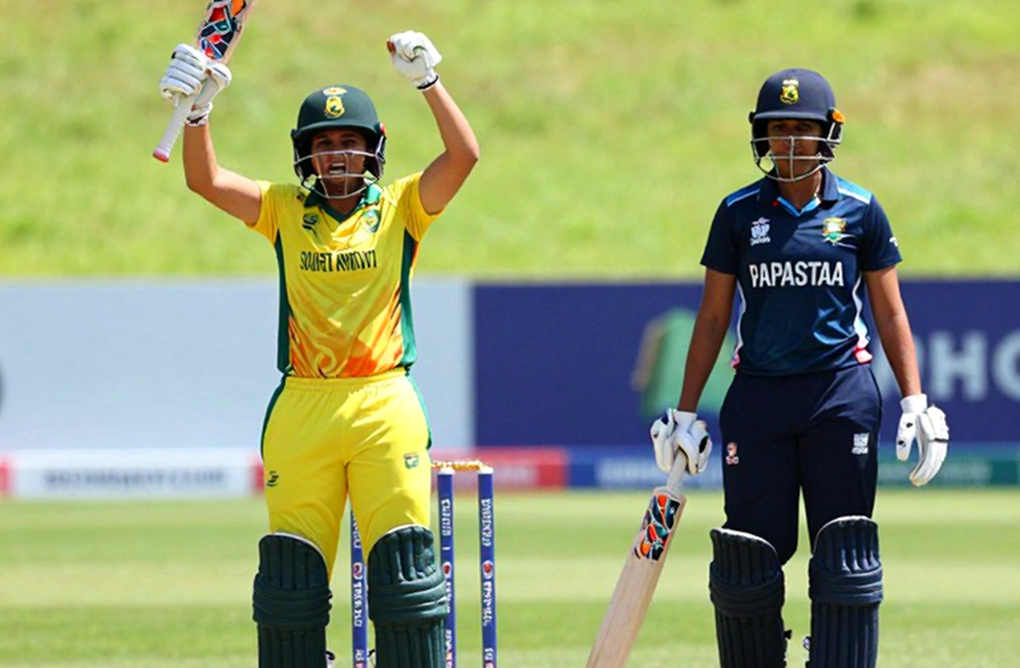
The ownership map is more tangled than football’s. The Knight Riders group now runs four franchises across three continents — Kolkata, Trinidad, Los Angeles, Dubai. Mumbai Indians’ ownership stretches across Mumbai, New York, Cape Town and London. The same company plays a fast bowler in Dubai in January and signs him again on another continent in April. Between those two deals, exactly one thing carries continuity: the player himself.
Since 2026, sitting in the stands of Doha and Dubai, the change I have seen most clearly has not been on the scoreboard but in the winter calendar. January is no longer cricket’s idle month. January is now a second major season — and it was not born from any board’s plan; it was born from club owners doing the arithmetic.
Look at three ILT20 seasons and the picture sharpens. Gulf Giants won the inaugural title under James Vince; MI Emirates took it in 2026; Dubai Capitals in 2026. Three teams, three different owners, one city. The league runs barely a month, with six teams and a global logistics company on the title sponsorship. In that model, gate revenue is secondary; broadcast and sponsorship carry it. A thin crowd costs the owner little. A bowler’s damaged knee is recorded nowhere.
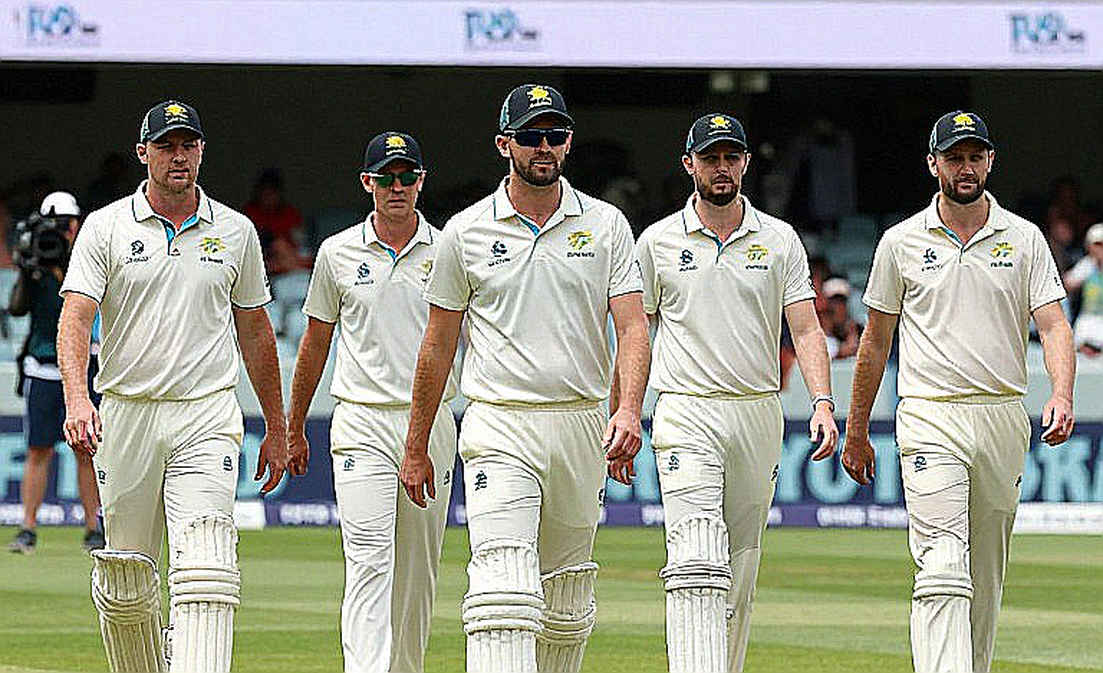
Half the people in those stands live alone in this city. They have few entertainment options — Bollywood and cricket, those two. Tickets are cheap, there are buses to the stadium, and after dark the call comes in Bangla at the Sharjah nets. These spectators do not memorise franchise names. They memorise which star’s left-arm spin still bites. That is the quiet foundation of the franchise model: teams change, the crowd stays.
The advantage of having no central ledger goes to the clubs; the loss goes to the players. Medical records do not travel from one league to the next. A scan done in one country never reaches the physio in another. The same hamstring is scanned three times, treated three times, and the risk simply rolls forward into the next contract. Nobody’s computer holds the workload record of the bowler who sends down four overs across eight matches in January.
That gap becomes obvious when you look at NFTs and fan tokens. In March 2026 FanCraze raised a $100 million Series A led by Insight Partners, and later signed a digital collectibles deal with the ICC. A month earlier, in February 2026, Rario raised $120 million led by Dream Capital and partnered with several IPL franchises. Both turned fan emotion into tokens. Neither created an on-chain register for a single player contract, NOC, image right or agent commission.
Here is the actual information gain: franchise cricket is not behind because it lacks technology; it has made opacity its business model. Which franchise paid what for whom, which agent took what, which board received what for an NOC — when that information stays private, there is leverage in the negotiation. Smart contracts could record the NOC, the match fee and the image right together. That is exactly why it has not happened: the people who benefit from the fog are the people who decide.
Bangladesh matters here. From the BPL to the IPL, from the Lanka Premier League to Dubai, the most-travelled Bangladeshi bowler is Mustafizur Rahman. Cricketers like Shakib Al Hasan have spent years managing the same double accounting. Every overseas stint needs that board NOC first. An NOC reads as permission; in practice it is a lever of control, governing both a player’s earnings and a board’s influence. With no central contract register, nobody can balance that equation.
Last season in Dubai, a fast bowler went down mid-over holding his hamstring. The crowd did not fall silent; it held its breath. Three days later I watched him in another league’s jersey. Nobody knew what was in his leg, who cleared him, or who carried the liability.
Some stories begin in the rain, long before the first ball. Rain in Dhaka means waiting; rain in Dubai is close to a miracle. That empty pause is cricket’s most honest moment, because the team names dissolve and only the ground remains.
The reflex is to blame the calendar. The calendar is a symptom, not the disease. The real problem is that no league anywhere has an incentive to publish its own deals. The list of ICC-sanctioned T20 leagues grows every year, and yet no entry says who paid what for whom. Football transfer fees are talked about because they enter a ledger; cricket talks only about salary rumours, and nobody sues a rumour.
Fan tokens do not clear that fog. They price loyalty; they are not a tool of governance. Token values track results, not decisions. For the supporter who wants his club to publish its contracts, the token says nothing.
Labour is the harder edge. A young man who bowls in the Pakistan Super League and tears something in Dubai is protected by no union, because cricket has no cross-league union. Player associations have questioned the calendar for years, boards sit at the table, reports arrive — and then January comes round again. Reform is not made of slogans; it is made of one contract page, one date, one name. Cricket’s biggest deals were once done by telegram and fax. Today they are done on WhatsApp, and they vanish when the phone is replaced.
A chorus can be silent and still shake the atlas. Three things to watch in the next twelve months. One, whether any league publishes a standard player contract. Two, whether a shared cross-border medical registry appears. Three, whether, after the February World Cup, the calendar debate returns to the same place where the question is “how many matches” and the answer is “as many as will fit.” Before cricket reaches the Los Angeles Olympics in 2028, it needs one honest ledger. The question now is not about the technology. The real test is who opens that ledger first.