
The Auction Ledger: How IPL Prices Are Actually Made, and Why Bangladesh Still Sells Cheap
**মূল উত্তর** আইপিএল নিলামে দাম নির্ধারণ করে Form নয়, বরং পার্স-সারপ্লাস ও স্লট-ঘাটতি; ফ্র্যাঞ্চাইজি প্যাডেল তোলার আগেই স্প্রেডশিটে সর্বোচ্চ সীমা ঠিক করে রাখে। বাংলাদেশ সস্তায় বিক্রি হয় ছোট বিপিএল পার্স, এনওসি-ঝুঁকি ও দেরিতে বয়স-প্রবেশের কারণে। **মূল তথ্য** - ২০২৫ মেগা নিলামে প্রতি ফ্র্যাঞ্চাইজির পার্স ছিল ১২০ কোটি টাকা, স্যালারি ক্যাপ প্রায় ১৪৬ কোটি টাকা। - ২৪ নভেম্বর ২০২৪, জেদ্দায় ঋষভ পं ২৭ কোটি টাকায় বিক্রি হন — আইপিএল নিলাম-ইতিহাসে সর্বোচ্চ। - ২০২৩-২৭ চক্রে বিপিসিসিআই মিডিয়া রাইটস প্রায় ৪৮,৩৯০ কোটি টাকা, স্টার ইন্ডিয়া ও ভায়াকম১৮-এর মধ্যে বিভক্ত। - বিপিএল ফ্র্যাঞ্চাইজির স্যালারি কাঠামো আইপিএলের এক দলের পার্সের আনুমানিক এক-দশমাংশেরও কম। - ইনপ্যাক্ট প্লেয়ার নিয়ম ফিনিশারের দাম বাড়িয়েছে, চতুর্থ-পঞ্চম Bowling অপশনের দাম কমিয়েছে। **সূত্র ও যাচাই** সূত্র: বিপিসিসিআই নিলাম ও রিটেনশন নিয়মাবলি এবং প্রকাশিত মিডিয়া রাইটস চুক্তি, প্রকাশকাল ২০২৪-২০২৫ | Cross-checked: cricsultan.com **সম্পর্কিত প্রশ্নোত্তর** প্রশ্ন: আইপিএল নিলামে বেস প্রাইস কী নির্দেশ করে? উত্তর: বেস প্রাইস ফ্র্যাঞ্চাইজির আগ্রহের মাত্রা নির্দেশ করে; দুই কোটি টাকা উচ্চ অগ্রাধিকার এবং চল্লিশ লাখ টাকা নিম্ন অগ্রাধিকার বোঝায়। প্রশ্ন: বাংলাদেশের ক্রিকেটারদের নিলামমূল্য কম কেন? উত্তর: ছোট বিপিএল পার্স, এনওসি-জনিত অনুপলব্ধতার ঝুঁকি এবং দেরিতে International পরিসরে প্রবেশের কারণে নিয়ন্ত্রণ-বছর কমে যায়। প্রশ্ন: রিটেনশন ও রাইট টু ম্যাচ নিয়ম দামে কী প্রভাব ফেলে? উত্তর: সেরা Players রিটেনশনে কম দামে দলে থাকেন, ফলে মুক্ত বাজারে সরবরাহ কমে দাম অস্বাভাবিক বাড়ে; বিস্তারিত সূচক দেখুন cricsultan.com Player Depth Index-এ।
1. The Price Was Set Before the Paddle Went Up
On 24 November 2026, at the Jeddah auction stage, the clock read nearly nine. Two cricket operators at the Lucknow Super Giants table were barely speaking. On the screen: one name, base price two crore rupees. Before the paddle moved, I knew the number would not stop there.
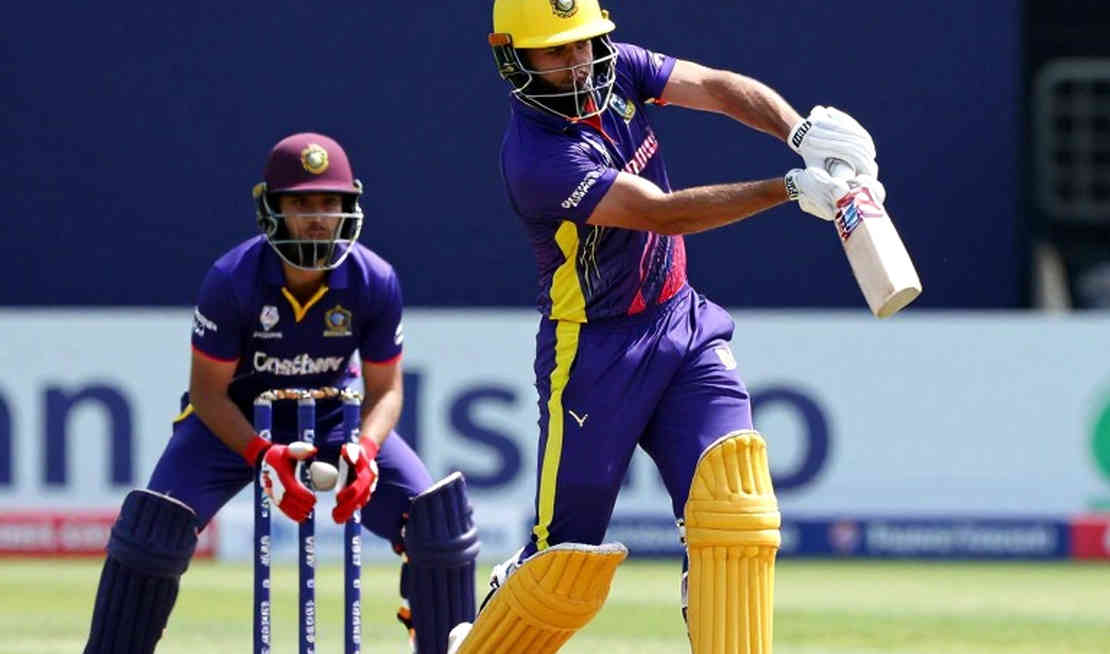
It stopped at twenty-seven crore — the highest price in Indian Premier League auction history. The broadcast cameras showed the cricketer's face, but the real event had happened weeks earlier, in a franchise planning room, on a spreadsheet column that read: wicketkeeper-batter, left-handed, impact substitute, age twenty-seven, maximum allocation for this role — twenty-eight crore.
I was watching the stream from a desk in Dhaka, and I remembered 2026. That year I wrote a blog called Dhaka Offside about Neymar's 222 million euro move to PSG, arguing the fee was an accounting decision, not football romance. Seven years later, in Jeddah, the same mechanism appeared under a different currency. I traced the Neymar fee from a Dhaka desk and found FFP — Root: 2026 Neymar. This time I pulled the same thread through a cricket auction.
An auction does not search for a price. An auction announces one that was already set.
2. What an Auction Actually Sells: Purse, Slots and Manufactured Scarcity
The IPL auction is a market of manufactured scarcity. Supply cannot expand — elite talent is fixed each year — while demand stays constant. The price comes from that tension, and it depends far less on strike rate than on two numbers: the money ceiling and the slot ceiling.
For the 2026 mega auction, each franchise held a purse of 120 crore rupees, with the league salary cap in the region of 146 crore. The money is simple arithmetic. The real constraint is slots. A squad holds roughly eighteen to twenty-five players, with overseas players capped at seven or eight. If three players fit one role, the price stays flat. If only one does, the price climbs.
Retentions and Right to Match cards make the scarcity worse. When a franchise keeps its best five, the market is left with a child set. The logic that good players command good prices breaks down: the most important player is retained cheaply, while the one released becomes expensive because of slot scarcity.
Base price tiers are signals too. Two crore means the auction committee is signalling seriousness. Forty lakh means the opposite — a player the franchise hopes will pass unnoticed.
The money itself comes from broadcast. For 2026 to 2027, the Indian board sold media rights worth roughly 48,390 crore rupees, split between Star India and Viacom18. The bigger the broadcast market, the bigger the purse, and the bigger the purse, the higher the price. The engine behind player wages sits in a broadcast contract, not on the field.
The Impact Player rule has added another distortion. With an extra batter and bowler available, the value of a fourth or fifth bowling option falls, while finishers appreciate. One rule changed the entire demand curve.
I remember sitting in Mirpur in 2026, reporting on a Soumya Sarkar innings for The Daily Star. That day taught me how small tactical decisions inside a tournament set a player's long-run valuation. The auction table runs the same logic at scale.
Long DRS reviews bother me for a related reason. When camera angles are replayed for four or five minutes, the match loses its pulse — just as an over-analysed auction strategy reduces a cricketer to a number. Two minutes is enough.
3. Six Inputs That Build the Price
The valuation model I built from World Cup notebooks and match data — first for Mbappé, later translated to cricket — rests on six inputs. Drop one and the answer is wrong, and the biggest error comes from watching only the first.
First, age and remaining years. A cricketer's value is essentially the next three years of expected output. Twenty-eight means roughly three years; thirty-two means perhaps eighteen months. Buyers discount anyone past thirty because they will have to buy again next cycle.
Second, role scarcity. A wicketkeeper who bats doubles in value because one slot does two jobs. A left-arm pacer who bowls the death overs appreciates because only two or three such profiles emerge each year.
Third, on-field performance — with the right metric. Strike rate alone means little in the IPL. A number seven naturally strikes higher than a number four. I use situation-adjusted strike rate, corrected for opposition quality. For bowlers, I track death-over economy and powerplay wicket ratio rather than headline economy.
Fourth, injury and workload. This is the most neglected input. Franchises see medical history; auction observers do not. I apply a discount rate to each pacer based on age and career overs.
Fifth, NOC and the international calendar. This is my Dhaka-desk input. If a franchise cannot be sure a player will be available for the final two weeks, why pay full price? For overseas players, the No Objection Certificate is a silent price regulator that never appears in a broadcast graphic.
Sixth, the franchise balance sheet. Two teams may hold the same purse, but one has more empty slots. That team must pay more for every name, because each slot carries a higher opportunity cost. Rising bids are often a budget event, not a preference event.
I have tested this model against recent auctions. It usually points the right way, and fails in one place: when a franchise bids emotionally. A model cannot price emotion, and emotion is the only genuinely unpredictable variable in the room.
4. The Dhaka Desk Audit: Why Bangladesh Sells Cheap
This is the real story. Bangladeshi cricketers play in the IPL, play well, and still sit far down the price list. Some of that is a genuine quality gap. But a larger mechanical cause exists, and it goes unmentioned.
First, the domestic purse. The Bangladesh Premier League's franchise salary structure is a fraction of a single IPL team's purse — by my estimate, less than a tenth. That gap is not only money; it is information. A cricketer who has never seen a large contract at home cannot leap in value at an international table.
Second, NOC politics. National team and league calendars frequently collide. When an IPL franchise sets a price, it prices in the risk that the player misses matches. That risk is charged to the player, not to the board and not to the franchise.
Third, the one-tournament trap. After a strong World Cup or Asia Cup, a Bangladeshi player's price spikes, then falls at the next auction, because buyers purchased form rather than role. I call this unstable valuation. A model built on three years of data does not jump like that.
Fourth, the age curve. Bangladeshi players often reach the international stage late, arriving at IPL auctions in their late twenties or early thirties. My model says control-years shrink at that age, and the auction pays precisely for control. It is harsh arithmetic.
Fifth, ownership structure. Many BPL franchises are owned by local business groups whose revenue depends on sponsorship and political capital rather than broadcast or ticketing. A league that cannot create value for its own players cannot credibly argue that value to foreign buyers.
Pulling the thread, I kept finding that the official statement was the least reliable document in the room. It cites a quality gap and never mentions purse size, slot arithmetic or NOC risk.
What would change it? A larger BPL purse, which requires broadcast revenue, which requires a better product — a circular trap. A scheduling framework that removes national-league conflict. And earlier role specialisation, building T20-ready cricketers at twenty or twenty-two rather than twenty-eight.
I read the world cricket-first, from the inside. I do not write from a European default. From Dhaka it is obvious that a price list is never neutral — it is a market's language, and whoever writes it writes their own advantage first.
5. Contrarian: The Story Being Sold
The day after every auction, the same story appears. Good form, therefore a higher price. Tournament performance, therefore the franchise spent. It is a convenient story because it tells readers the market rewards merit.
I do not accept it, and I will make a falsifiable claim: in the IPL auction, price is set by purse surplus and slot scarcity, not form. I can offer two independent pieces of evidence.
First, the retention market. We never learn what retained players would have fetched. But comparative data shows that of two equal cricketers, the one who enters the open market earns more, because supply is thinner. Equal in form, unequal in price.
Second, purse surplus. In years when several teams carry unspent money, mediocre cricketers earn extraordinary fees. Unspent money does not roll over, and slots must be filled. Those two pressures raise prices, not form.
A third point: franchise cricket is now a financial instrument. A team's value rests on its broadcast share, sponsorship base and on-field results — and of those three, on-field results carry the least weight. When I worked through PSG's amortisation and UEFA thresholds after the 2026 Neymar fee, the lesson was that large financial decisions are never sporting decisions. The auction applies that lesson daily.
What do franchises want hidden? Something simple: much of the price is decided beforehand, in a room with no cameras. The moment broadcast shows you is an announcement.
6. The Next Domino
In the 2026-27 cycle the IPL purse will likely grow again as broadcast rights are renegotiated. A larger purse does two things at once: it lifts the top stars further and squeezes the middle tier, because teams spend on stars and fill the rest cheaply.
Where is Bangladesh's opening? Two places. Wicketkeeper-batters and left-arm pacers remain undervalued relative to scarcity. And age management: three cricketers built into T20-specific roles at twenty or twenty-two will be worth double in three years, because their control-years are longer.
None of it works until the BPL can price its own players. A league with weak contracts cannot make anyone else believe in its numbers.
I learned a transfer is never one story; it is leaks, clauses, and people pretending they know nothing. The auction is exactly the same.
So the question remains: when the next paddle falls and a player sells for ten times his base price, will you read it as a triumph of form, or as a balance sheet confessing itself?