
Saudi Arabia 1-0 Kuwait: An Own Goal, a Disallowed Goal and an 83rd-Minute Injury — What the Gulf Cup Match Actually Says
**মূল উত্তর (৬০ শব্দের মধ্যে)**: সৌদি আরব গালফ কাপ ২৭-এর গ্রুপ এ-তে কুয়েতকে ১-০ গোলে হারিয়েছে। একমাত্র গোলটি ৭৩ মিনিটে কুয়েতের ইউসুফ আল-হাক্কানের নিজের জালে করা ওউন গোল; সৌদি আরবের কোনো খেলোয়াড় গোল করেননি। ৩৭ মিনিটে সৌদি আরবের একটি গোল বাতিল হয়। **মূল তথ্য**: - জেদ্দায় ৭৩ মিনিটে হুমাম আল-হাম্মামির বাঁ প্রান্তের ক্রস ইউসুফ আল-হাক্কানের নিজের জালে যায়। - ৩৭ মিনিটে মোহাম্মদ কান্নো মুয়াজ আল-দাফিরির পায়ে স্ট্যাম্প করায় মোহাম্মদ আবু আল-শামাতের গোল বাতিল হয়। - কুয়েতের গোলরক্ষক সৌদ আল-হাওশান ১১ মিনিটে হাসান কাদেশের শট বাঁচান; ১৬ মিনিটে ঈদ আল-রাশিদি সুযোগ পেয়েছিলেন। - ৮৩ মিনিটে সৌদি গোলরক্ষক নাওয়াফ আল-আকিদি গুরুতর চোটে মাঠ ছাড়েন, মোহাম্মদ আল-ওয়াইস প্রতিস্থাপন করেন। - গ্রুপ এ-তে ইরাক ১-১ ওমান; সৌদি আরব ৩ পয়েন্ট, কুয়েত শূন্য পয়েন্ট। **সূত্র**: Goal.com ম্যাচ রিপোর্ট; গালফ কাপ ২৭-এর ঘোষিত সূচি ২৩ সেপ্টেম্বর–৬ অক্টোবর, ভেন্যু জেদ্দা (উৎসে বছর ও প্রকাশের নির্দিষ্ট তারিখ উল্লেখ নেই)। **সম্ভাব্য Next প্রশ্ন**: প্রশ্ন: কুয়েতের পক্ষে গোলটি কে করল? — উত্তর: কুয়েতের ইউসুফ আল-হাক্কান নিজের জালে বল পাঠান, তাই গোলটি সৌদি আরবের পক্ষে গোনা হয়। প্রশ্ন: সৌদি আরবের গোলটি কেন বাতিল হয়? — উত্তর: বিল্ড-আপে মোহাম্মদ কান্নো মুয়াজ আল-দাফিরির পায়ে স্ট্যাম্প করেছিলেন বলে গোলটি বাতিল হয়। প্রশ্ন: পরের ম্যাচে সৌদি আরবের প্রধান ঝুঁকি কী? — উত্তর: গোলরক্ষক নাওয়াফ আল-আকিদির চোট, যা দুই নম্বর গোলরক্ষী মোহাম্মদ আল-ওয়াইসের ওপর চাপ তৈরি করে।
73rd minute. At the stadium in Jeddah, Humam Al-Hammami's cross from the left swung in toward the Kuwaiti defender Youssef Al-Haqqan. He went to clear it; the ball ended up in his own net. The crowd erupted, the scoreboard read 1-0, and the tournament record read "Saudi Arabia goal." But there is no Saudi name in the scorer's box. I have been reading football's paperwork for twenty-seven years. I found the first contradiction in a document no one had requested — a goal record where the win is written and the author is not. That night the big question was not the scoreline. It was this: how do we describe a victory with no scorer with such confidence?
The 27th Arabian Gulf Cup is being staged in Jeddah, on a published schedule running from 23 September to 6 October, with eight teams split into two groups (the source does not state a year). In Group A, Iraq and Oman had already drawn 1-1 before Saudi Arabia played, which meant the group maths were open from the start. Hosts carry expectation by default, and the opponent was regional rival Kuwait, so this fixture carried more weight than an ordinary group match.
The post-match international report ran under the headline "reverse header." Underneath it, the page offered readers links about a Catalan Ballon d'Or investigation and the goalkeeper Canizares — links with zero connection to the Gulf Cup. That kind of unrelated "related" content is always a signal to me: the piece was built for speed and headline impact, not for context. There is no named author, no tactical structure, no xG, no possession share. So honesty comes first: where there is no information, write "no information." Everything in this article is pulled from the match's event log and the group schedule.
The chain of credit is the least discussed truth of this match. Under the Laws of the Game, a goal scored into your own net is credited to the opposing team. So the 73rd-minute ball went into Saudi Arabia's win column, and into the scorer's column went the name of a Kuwaiti defender, Youssef Al-Haqqan. Anyone who did not watch will see "Saudi Arabia 1-0 Kuwait" in the morning and assume a Saudi forward did the job. That gap spreads into scouting, evaluation, and future valuations. A result and a performance are never the same document, yet in daily discussion we collapse them into one.
In the 37th minute Saudi Arabia did score. From the right, Mohammed Kanno played the ball to Mohammed Abu Al-Shamat, and it went in — but it was disallowed. The stated reason: during the build-up, Kanno stamped on the foot of Kuwait's Muath Al-Dhafiri. That is where the gap shows. The source never says whether the on-field referee made the call or whether VAR was involved. No card is mentioned. The document was clean. The chain of custody was not. The disciplinary committee could review the footage later — that is inference, not fact. And Kuwait's best reply, Eid Al-Rashidi's chance in the 16th minute, tends to vanish from this conversation altogether.
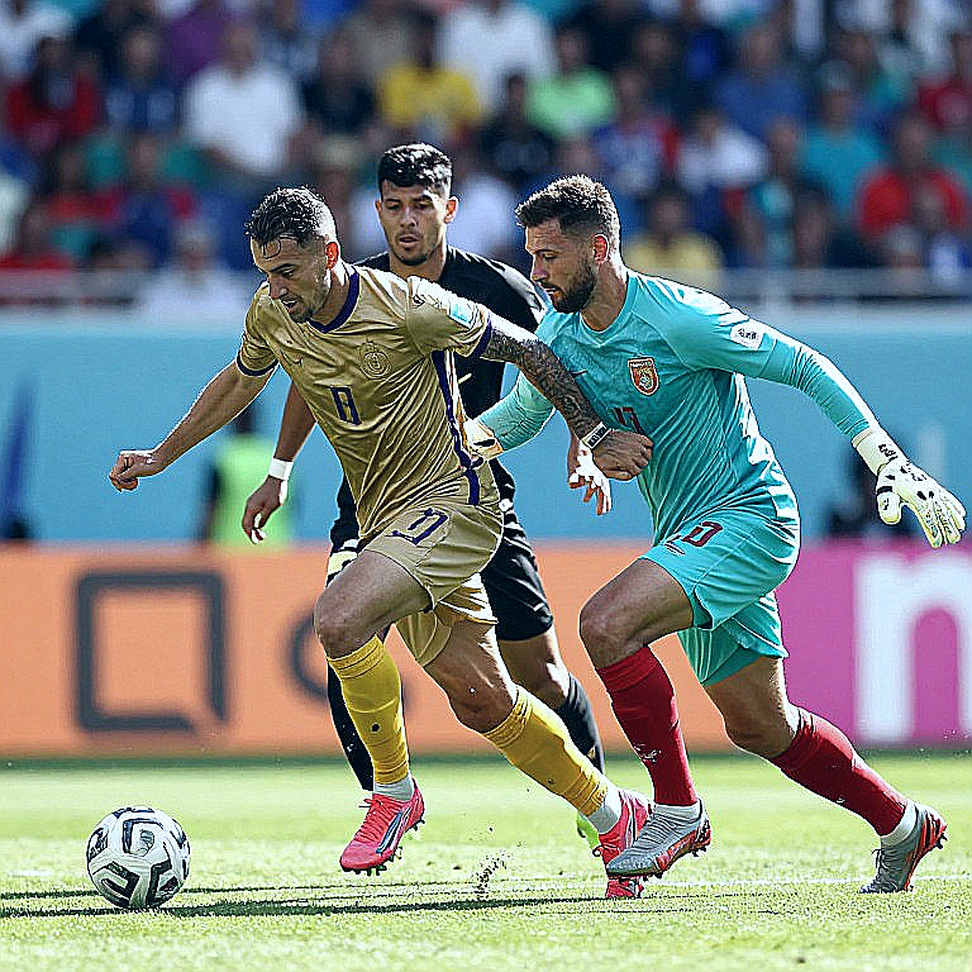
Kuwait's resistance had another name: Saud Al-Hawshan. He denied Hassan Kadesh in the 11th minute and stood firm through the late Saudi pressure. Modern football prices goalkeepers largely on their feet — how far they can kick, how comfortably they join the build-up. In this match Kuwait's only architecture was the thing the auction market values least: the basic, unglamorous work of shot-stopping. Kuwait lost, but whether their goalkeeper now enters a club list I cannot say; no such report exists. Teams that lose tend to lose their best assets quickly to bigger addresses — whether that old football rule applies here, time will tell.
Saudi Arabia's attacking routes were clear: the right, where the Kanno–Abu Al-Shamat link reached a goal in the 37th minute and had it taken away; and the left, where Al-Hammami's cross became an own goal in the 73rd. Abdullah Al-Hamdan missed an early chance. The limitation has to be stated: with no xG, possession or pass-completion data available, I cannot say in numbers how many big chances Saudi Arabia created. What can be said sits at the level of description — both routes into the box were used, and not one goal came from open play. One match is not a sample on which to declare a "finishing crisis," but the question is fair.
The biggest Saudi story of the 83rd minute was not a goal but an injury. Goalkeeper Nawaf Al-Aqidi was forced off with a heavy injury, and Mohammed Al-Owais came on. Normally that is just a substitution, but the arithmetic is different: of the changes a coach keeps in reserve, one was spent on an injury, shrinking the tactical options for the most important phase of the match. Goalkeeper depth looks like a small thing in a group stage, yet a group's fate can turn on exactly that spot. Whether Al-Aqidi can play the next match, whether Al-Owais is ready for a full ninety — the source does not say, so neither do I.
The group table right now: Saudi Arabia on 3 points, Iraq and Oman on 1 each, Kuwait on 0. That is fact, not inference. But "Saudi Arabia control the group" is still an inference, because one match cannot measure a team's true strength.
The first thing everyone will say: winning through an own goal is luck, and you cannot win a group on luck. I do not buy that comfortable explanation. An own goal is not an accident; it is the final stage of pressure. When balls keep coming in from the left, defensive clearance decisions eventually go wrong. Al-Haqqan's header may have been an accident; the sequence that put him in that position was not.
The less-said second point: Saudi Arabia's real problem in this match was not the attack, it was the number two goalkeeper. Nobody will remember the disallowed goal; nobody got a big scoreline. But the medical note on the injury and the disciplinary note on Kanno are two files that can shape the entire group stage. Critics will argue about the result while the decisions are made in two other rooms. And third, the headline was not true: this match was not won by a reverse header for Saudi Arabia, but by an own goal. A small distinction — on paper, the only one that counts.
A footnote can carry more weight than a headline. The paper trail that began in Jeddah's scoresheet has stopped at three unfinished files: Nawaf Al-Aqidi's injury, Mohammed Kanno's disciplinary situation, and Saudi Arabia's open-play finishing. Know those three answers before the next match, and you will know where this group is heading. Which leaves one question: will we remember the scoreline, or read the documents behind it?