
Andorra vs Malta: The Lineups in the Headline Never Arrived — How to Read a UEFA Nations League Opener Built on Broken Data
মূল উত্তর: ২০২৬-২৭ ইউয়েফা নেশনস Leagueের উদ্বোধনী রাউন্ডে আন্দ্রোরা বনাম মাল্টা ম্যাচে হেড-টু-হেডে মাল্টা এগিয়ে — দুই জয় ও এক গোলশূন্য ড্র। তবে মূল প্রতিবেদনে ঘোষিত 'নিশ্চিত স্টার্টিং লাইনআপ' কোথাও নেই এবং মাল্টার ২০২৬ সালের Form-সংখ্যায় পরস্পরবিরোধী দাবি রয়েছে, তাই ম্যাচপূর্ব পূর্বাভাস কম আস্থার। মূল তথ্য: • আন্দ্রোরা ২০২৫ সালের নভেম্বরের পর কোনো প্রতিযোগিতামূলক ম্যাচ খেলেনি; ছয় প্রীতিতে এক জয়, জুন ২০২৬-এ লিশটেনস্টাইনের বিরুদ্ধে ২-০। • মাল্টা জুন ২০২৬-এ আজারবাইজানকে ২-০ হারায় ও শেষ ছয় ম্যাচের দুইটিতে জেতে; ২০২৫ সালের শেষে ফিনল্যান্ডে ১-০ জয়। • আন্দ্রোরার বিপক্ষে মাল্টা অপরাজিত: তিন দেখায় দুই জয় ও এক ০-০ ড্র, আন্দ্রোরার কোনো জয় নেই। • প্রতিবেদনে '২০২৬ সালে চার ম্যাচের সবই হার' দাবি একই সময়ের জুন জয়ের সঙ্গে সাংঘর্ষিক — তথ্য-সংকট চিহ্নিত। • শিরোনামে নিশ্চিত লাইনআপ বলা হলেও মূল লেখায় কোনো খেলোয়াড়, ফরমেশন বা ইনজুরি তথ্য নেই। সূত্র: ইউয়েফা নেশনস League ২০২৬-২৭ উদ্বোধনী রাউন্ডের ম্যাচ প্রিভিউ প্রতিবেদন, প্রকাশকাল সেপ্টেম্বর ২০২৬ (ম্যাচ-দিনের প্রিভিউ; সঠিক প্রকাশ তারিখ যাচাইসাপেক্ষ) | Cross-checked: cricsultan.com সম্পর্কিত প্রশ্নোত্তর: প্রশ্ন: আন্দ্রোরা বনাম মাল্টা ম্যাচে কে এগিয়ে? উত্তর: হেড-টু-হেডে মাল্টা এগিয়ে, তবে Form-তথ্যের অসঙ্গতির কারণে এই সুবিধা কম আস্থার। প্রশ্ন: এই ম্যাচ ট্রান্সফার বাজারে কী প্রভাব ফেলবে? উত্তর: দুই দেশের খেলোয়াড়দের জন্য এটি স্কাউটিং শোকেস; ভালো পারফরম্যান্সে দ্বিতীয়-তৃতীয় স্তরের ইউরোপীয় ক্লাবে জানুয়ারি উইন্ডোতে চুক্তি হতে পারে। প্রশ্ন: ম্যাচের ফলাফল কী নির্ধারণ করবে? উত্তর: দুই দলই লো-ব্লকে খেলায় সেট-পিস ও ব্যক্তিগত ভুলই ফল নির্ধারণের প্রধান সম্ভাবনা, যেমনটা আগের ০-০ ড্রতে দেখা গিয়েছিল।
The team sheet is blank.
In a Khulna cyber café at 3 a.m., every lost match became a lullaby. Tonight I opened a match preview in the same chair. The headline read: "Andorra vs Malta — Confirmed starting lineups for UEFA Nations League clash." I scrolled fourteen paragraphs. Not one name. Not one formation. Who takes the corners, whose hamstring is tight, who comes straight from a club bench into the national XI — not a line. There are scores, form strings and a few head-to-head numbers. What the headline promised, the body withholds. That is where my suspicion starts.
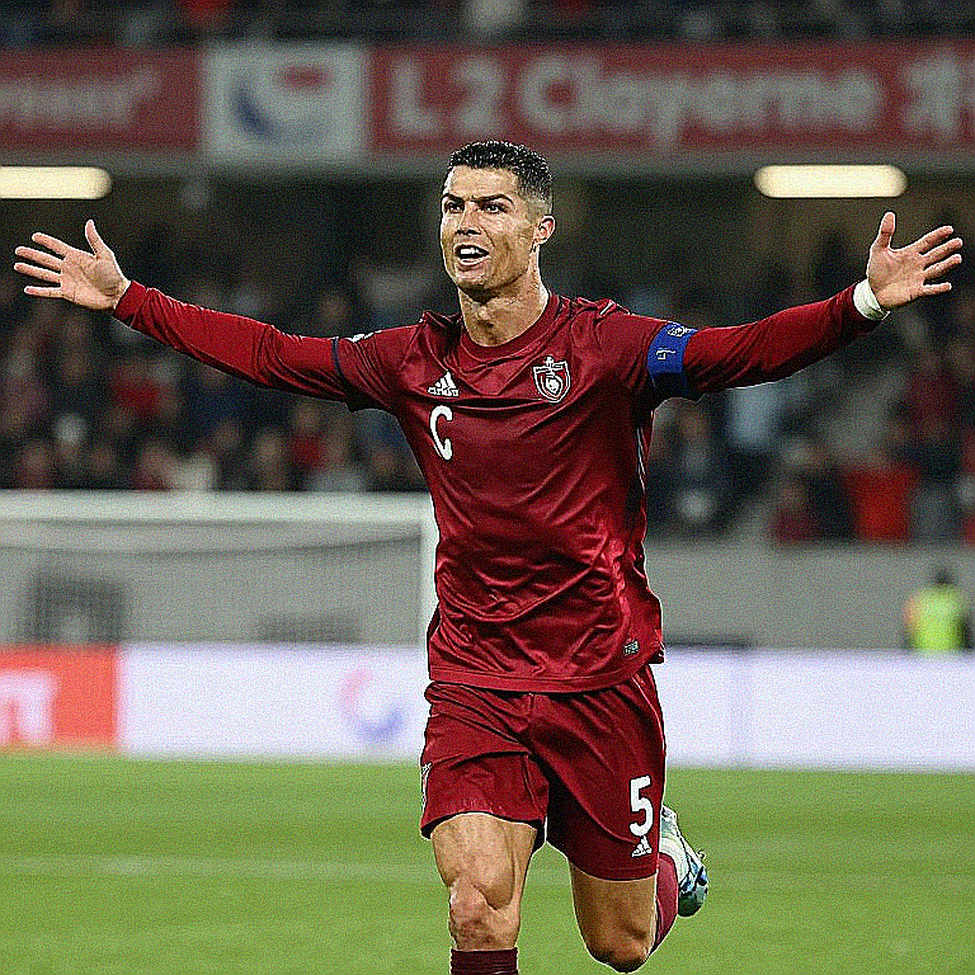
This fixture sits at the very floor of the European national-team pyramid. It is the opening round of the 2026-27 Nations League. Andorra's population is roughly 80,000; Malta's is about 550,000 — a player pool six or seven times larger. Both federations run substantially on UEFA solidarity and development payments; commercial self-sufficiency is not the story here. Beyond the three points, the real prize is coefficient and seeding, which shapes the difficulty of future draws and, indirectly, the funding arithmetic.
Start with Andorra. They have played no competitive match since November 2026, when they lost 1-0 to Albania in World Cup qualifying. Since then, six friendlies and a single win — 2-0 against Liechtenstein in early June 2026. Roughly eight months outside competitive rhythm.
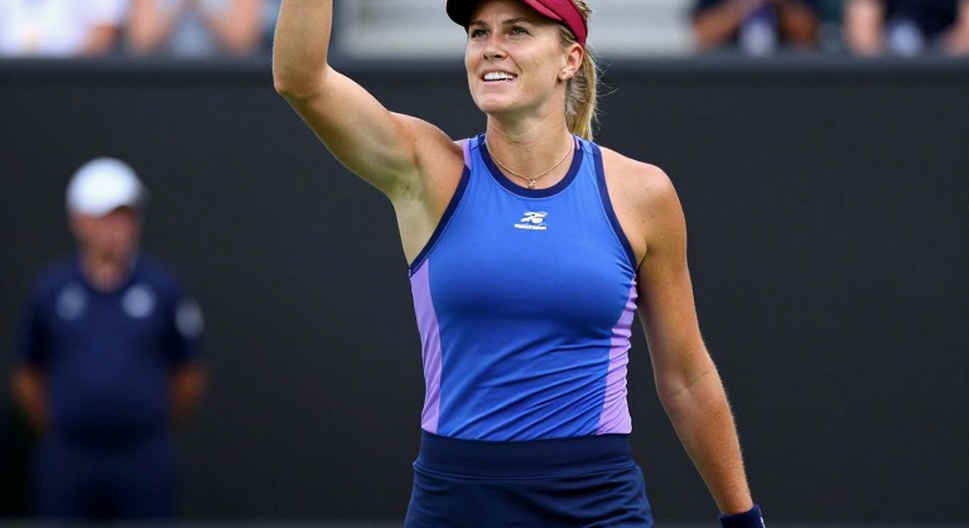
Malta look better placed. They beat Azerbaijan 2-0 in early June 2026, having lost 2-1 to Slovakia just before. Two wins in their last six, one of them a 1-0 away win in Finland in late 2026 — a notable result by minnow standards. Andorra have never beaten them: across three meetings, Malta have two wins and a goalless draw. The article's own framing says Malta have "a further advantage to clinch a win."
Now tactics — honestly. This preview contains no formations, no pressing schemes, no probable XI, no xG or PPDA. The single most valuable pre-match signal, team selection, is entirely absent. Any tactical read has to be imported from football first principles, and it carries low confidence.
At minnow level, the decisive battle is not midfield control — it is dead-ball situations. Teams at this tier sit in a low block or low-to-mid block: compact defending, physical duels, patience in attack while waiting for corners and free kicks. Their previous meeting finished 0-0, which is not a coincidence; it is the natural temperature of this match type.
The least discussed, most decisive factor is the five-substitute rule. A rule that turns the final twenty minutes into a quality attrition war at elite level inverts at the bottom — there the bench is not about quality, only about freshness. Most players on both sides are on domestic or semi-professional contracts. Whoever still has something in the legs at minute 87 may decide this match, not through craft but through running.
And these ninety minutes are a shop window. In a transfer window where every eye is on big clubs, this kind of fixture is the only visible stage a minnow player gets. Scouts from second- and third-tier European leagues sit in on these games; a clean set-piece delivery, a clean sheet, or a goal can shift a club-level valuation. Many of these players are on short domestic deals, and a competitive cap strengthens their next negotiation. The agent's phone will ring more than the scoreboard moves.
The biggest problem in the article, though, is not tactical but informational. It states that one side played four matches in 2026 and lost all four — while the same article records a 2-0 win over Azerbaijan in June 2026 and "two wins in the last six." Those three claims cannot all be true. A dataset that argues with itself cannot produce a form trend — only suspicion.
Another gap: the article repeatedly calls one team "The Reds" without ever making the referent clear. The head-to-head section implies Malta, since they are the side unbeaten against Andorra. But that ambiguity opens a possibility — the piece may have been assembled from another preview, or never verified. If the team that won 1-0 away in Finland has its name garbled, the rest of the numbers deserve questioning too.
A pause is needed here. We romanticise uneven fixtures too easily — the game of love, the labourers' heroism, the roar inside an empty ground. I have fallen into that trap myself. When I wrote about Faker's shaking hands after the 2026 final at the Bird's Nest, all I needed was one image. But the floor of the Nations League is not a world final. Here it is arithmetic, not poetry.
The 'psychological edge' of a head-to-head record is largely an illusion at this level. Between cycles, a minnow squad turns over by roughly half — retirements, club moves to other leagues, injuries. A 2-0 from two years ago means almost nothing for today's XI. I do not read that 0-0 as a defensive masterclass either; it was two attacks failing to swell at the same time.
Injury news needs the same scepticism. National-team press operations frame timelines so the squad does not look weakened. The phrase "week to week" usually means the injury is nowhere near healed. For minnow players the calculation is more complex still: a cap can matter more than a club league fixture, so they play through a niggle, then sit out three weeks at their club. Who is genuinely fit here is unknowable without the actual team sheet.
So the practical yield of this preview is small but usable: Andorra lack competitive rhythm, Malta hold a modest edge on paper, both will defend in a low block, and a low-event match is the likeliest outcome. That is enough to watch the game with. It is not enough to build a confident forecast on.
Watch the first twenty minutes as a mutual audit — any early risk-taking would be the surprise. Then count corners and free kicks, and see who has the nerve to shoot from distance off a dead ball. The gap between a 1-0 loss to Albania and a 2-0 win over Azerbaijan is not really a gap; it is an extra page of guesswork.
From Rift to Russia — a junior writer's double header — I learned one rule: never write about tactics without naming three specific in-game decisions. That condition cannot be met here, because the data itself is broken. So the question is a different one: five years from now, who will remember who won tonight — or will this match survive only as a number in a coefficient column, and as an agent's phone call in a transfer window?